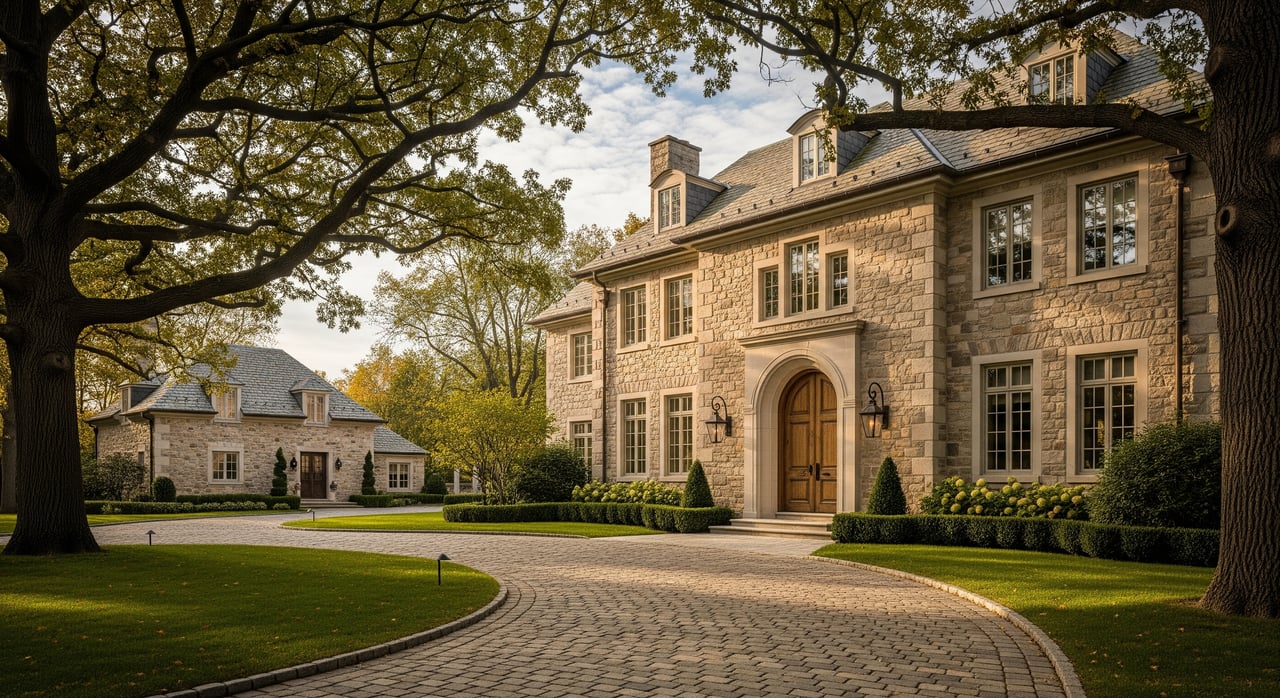
Pricing Strategy for Old Oakville Estates & Lakefront Homes
December 18, 2025
December 18, 2025
How do you set a price on a one-of-a-kind estate where the street, the trees, and the view matter as much as the house itself? If you are selling or buying in Old Oakville, you already know that small differences in frontage or lake proximity can create big swings in value. You deserve a pricing plan that reflects how this micro-market actually works, not a generic price-per-square-foot. In this guide, you will learn the data points, constraints, and psychology that shape pricing for Old Oakville estates, and how to align your strategy with serious buyers. Let’s dive in.
Old Oakville is a compact, historic lakeside neighborhood where value is driven by lot attributes and location. Estate buyers prioritize frontage, mature landscaping, lake views or shoreline adjacency, and walkable access to downtown and the harbour. For many properties, lot metrics and setting matter more than interior square footage.
The buyer pool is diverse. You will find higher-net-worth local families, downsizers seeking the downtown and lake lifestyle, regional buyers pursuing prestige addresses, and investor-developers where subdivision or redevelopment may be feasible. Each group responds to different value drivers, so your pricing must reflect the most likely buyer for your property.
Start small. In Old Oakville, block-by-block differences can be meaningful, so the best comps often sit on the same street or even the same blockface.
Document each comparable with photos, aerials or drone stills, and surveys where available. For estates, these visuals help confirm frontage, topography, and any shoreline conditions that affect value.
Once you have a clean comp set, adjust with a conservative, well-documented approach.
Use paired-sales comparisons where possible to isolate the effect of a single attribute, such as waterfront vs non-waterfront on otherwise similar lots.
Water influences both lifestyle and value in Old Oakville. The degree of adjacency matters, and scarcity drives premiums.
Avoid assuming a fixed percentage premium. Validate each tier with local comps from your micro-market.
Shoreline estates are subject to regulated-area rules that shape what can be built, added, or altered. Conservation authorities regulate development near Lake Ontario and local watercourses, and they may require geotechnical and shoreline studies.
These constraints can reduce developable area, add time and cost to approvals, and influence your buyer pool. If a property includes slopes, erosion risks, or floodplain overlays, expect additional approvals, permitting steps, and professional reviews. Price should reflect those realities and the documentation available to support them.
Heritage can be a feature or a constraint, sometimes both. Listed or designated properties tell a story that many buyers value for authenticity and streetscape, which can contribute to a premium. For buyers planning demolition or major exterior changes, heritage status introduces additional approvals and extended timelines.
Clarify whether the property is listed or designated, and whether it sits within a Heritage Conservation District. Outline practical implications for exterior alterations, demolition, or additions, and reference any available municipal incentives. Price should balance the value of character with the cost and time of approvals.
Most buyers search with price filters, so where you anchor your list price affects which searches your property appears in. In Old Oakville’s estate segment, moving slightly across a price threshold can change the set of competing listings and the perception of value.
Your list price is an anchor that must match the narrative. If you present a rare direct waterfront estate, your marketing should highlight measurable frontage, shoreline improvements, protected views, privacy, and walkability to downtown.
A strong list price requires evidence buyers can see. Use multi-channel, narrative-driven marketing that makes the land and location impossible to misread.
Plan a realistic negotiation buffer. Avoid early, large reductions that can signal weakness and reset buyer expectations.
Gathering the right documents up front de-risks the process and strengthens your position.
If you are buying in Old Oakville, analyze the land first and the house second.
An effective pricing strategy flows from evidence. Tie your list price to a micro-market comp set, then filter those comps through lake adjacency, heritage status, and buildability. Use a price band that captures the right buyer searches without drifting beyond supportable value. Finally, present proof. Transparent documentation and precision marketing reduce friction and protect your price.
When you are ready for a tailored plan, request a confidential, advisor-led valuation that integrates local comparables, regulatory review, and a marketing narrative built for estate buyers. Connect with Engelbrecht Associates for a private consultation.
Stay up to date on the latest real estate trends.
Buying & Selling
How Photography, Natural Light, Seasonal Colour, and Launch Timing Shape a Southeast Oakville Fall Listing
South East Oakville
What Three Months of Sales, Inventory, Pricing, and Negotiation Reveal Across Old Oakville, Morrison, and Ford
Buying & Selling
A Family Guide to Oakville’s Independent Schools, Their Locations, and What School Proximity Means When Choosing a Home

Buying & Selling
A September Snapshot of Inventory, Price Bands, and Days on Market Across Old Oakville, Morrison, and Ford
South East Oakville
https://chatgpt.com/c/6a96cdbe-dbd8-83ea-9dab-d4eb92a462d3
South East Oakville
What August Sales, Inventory, Asking Prices, and Days on Market Reveal About Southeast Oakville Going Into Autumn
Southeast Oakville
What the September Rate Hold Means for Buyers, Sellers, and Pricing Across Old Oakville, Morrison, and Ford
Buying & Selling
A Guide to Unlocking Equity, Finding the Right Smaller Home, and Staying in the Neighbourhood You Know
Buying & Selling
What Mid-August Inventory, Pricing and Days on Market Reveal About Southeast Oakville’s Fall Market
With our extensive network, we can assist regardless of where your property journey takes you. It’s about knowing who you are, what you love, and how to make your property journey one that will leave a lasting memory. It’s as simple as that. Contact us today!