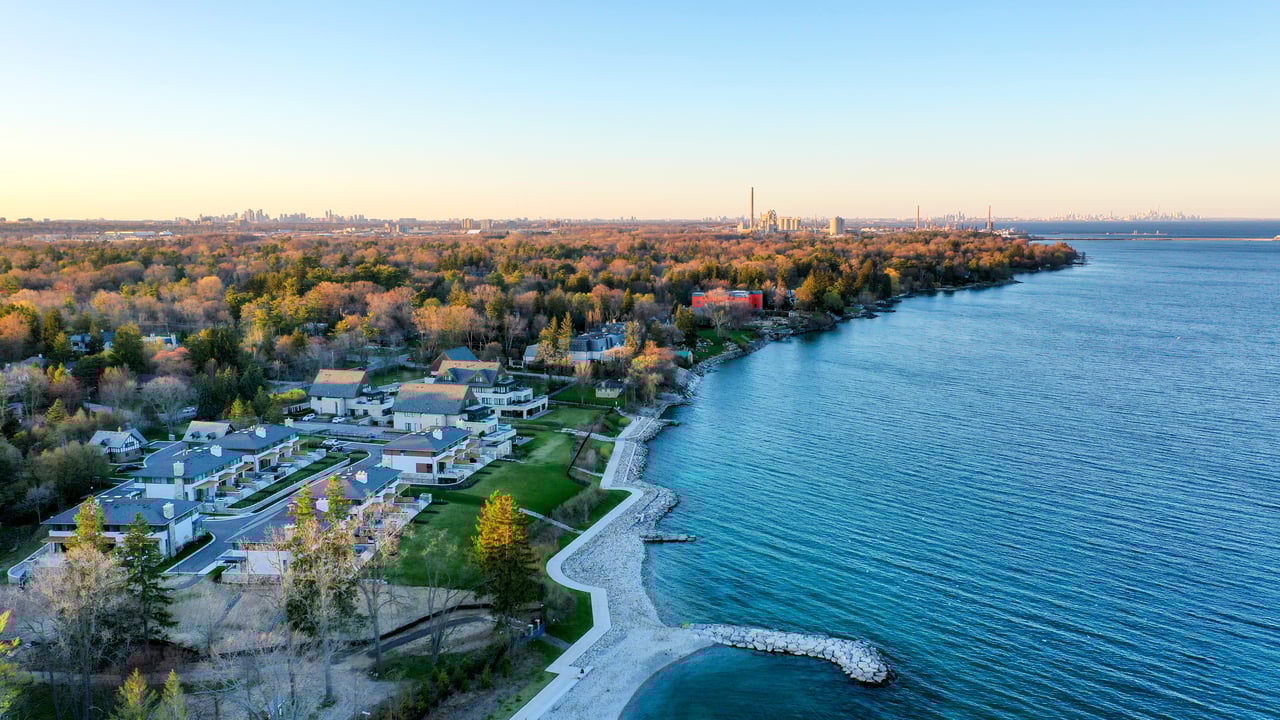
Morrison: The Neighbourhood That Doesn’t Need to Announce Itself
South East Oakville Petrus Engelbrecht & Joshua Engelbrecht April 28, 2026
South East Oakville Petrus Engelbrecht & Joshua Engelbrecht April 28, 2026
Morrison: The Neighbourhood That Doesn’t Need to Announce Itself
By Engelbrecht Associates | Sotheby’s International Realty Canada
Morrison is defined by three things you can measure: the size of its lots, the maturity of its tree canopy, and the scale of its homes. In Southeast Oakville (the area locally known as Eastlake), no other neighbourhood combines those three at the level Morrison does. The frontages are wider, the rear yards are deeper, the canopy was planted half a century ago and has been stewarded since, and the homes that sit on those lots range from preserved mid-century originals to bespoke contemporary estates. That combination is the neighbourhood’s structural reality, and everything else about Morrison flows from it.
After decades of experience selling homes across this market, our position on Morrison is direct: it is the address that most consistently rewards buyers who take the time to understand what they are buying. Morrison is not bought on first impression. It is bought on the underlying lot, the street position, the architectural integrity of the home, and the ownership horizon of the buyer. Read those four correctly and Morrison is the strongest long-tenure address in Southeast Oakville. They are also the four criteria the rest of this post will work through, in that order.
Morrison rewards the buyer who is looking for something to live in for twenty years. It does not reward the buyer who is looking for something to talk about at dinner.
Morrison is bounded by the QEW on the north, Chartwell Road on the west, Maple Grove Drive on the east, and Lake Ontario on the south. On a map it looks like any other Oakville neighbourhood. On the ground it is not. The street grid is irregular by design, the lots are deeper and more wooded than buyers expect, and the architecture spans seven decades: mid-century ranch homes, 1970s side-splits, 1990s estate rebuilds, and contemporary new builds sitting on lots that were originally subdivided in the 1950s.
What this means in practice is that Morrison cannot be analysed as a single product type. A buyer looking at average sale price across Morrison is reading a number that obscures more than it reveals. The neighbourhood contains, simultaneously, modest mid-century homes that have not been touched in fifty years and bespoke contemporary estates built to international standards. They sit on the same street. They trade on entirely different fundamentals.
This is why neighbourhood-specific representation matters more in Morrison than in many other markets. The buyer who treats Morrison as a single category will either overpay for a property whose underlying lot does not justify the price, or pass on a property whose architectural condition disguises the long-term value of its position. The micro-decisions matter. The street matters. The lot orientation matters. The depth of the rear yard matters. None of this shows up in a search filter.
The neighbourhood’s defining feature is the lot. Morrison lots are typically wider, deeper, and more privately treed than equivalents in adjacent neighbourhoods. The original mid-century subdivision plan prioritised setback and tree canopy over street-facing presentation, which is why so many Morrison homes sit well back from the road, often invisible from the street entirely. For buyers who value privacy as a structural feature rather than a marketed amenity, Morrison is the most reliable address in Southeast Oakville.
The architecture is the second defining feature, and the one that creates the most confusion. Morrison’s housing stock has been rebuilt in waves, substantially in the late 1990s, then again from roughly 2010 onwards. The result is a neighbourhood where two adjacent properties can represent forty years of architectural drift. The opportunity here is significant: Morrison rewards the buyer who can see past the current condition of a home to evaluate the underlying lot. Where this becomes relevant is in distinguishing a tear-down candidate that will appreciate strongly through redevelopment from a renovated home whose design choices may not age well. The two look similar in a listing description. They are not similar investments.
School catchments are the third structural feature, and the one most cited by buyers, sometimes for the wrong reasons. Morrison falls within the catchments of some of the most consistently strong public schools in the Halton District School Board, and proximity to Maple Grove Public School and Oakville Trafalgar High School materially affects pricing in the central and eastern portions of the neighbourhood. What we are seeing in 2026, however, is that the school-catchment premium is narrower than it was five years ago. Buyers who are buying Morrison purely for school access are likely overpaying. Buyers who are buying Morrison for the lot, the privacy, and the architecture, and getting the school catchment as a secondary benefit, are buying the right asset for the right reasons.
Three buyer cohorts dominate Morrison transactions in 2026. Greater Toronto Area families relocating outward from central Toronto neighbourhoods make up the largest cohort, typically dual-income professionals in their late thirties to mid-forties, moving from semi-detached or attached homes in the city to a Morrison property that will absorb a growing family for the next fifteen to twenty years. This is the buyer Morrison is structurally designed to serve.
The second cohort is buyers relocating from elsewhere in Canada, frequently Calgary, Vancouver, or Montreal, drawn by employment in the GTA financial or professional services sectors and looking for an Oakville address that offers privacy and tree canopy without the ostentation of a Forest Hill or Rosedale equivalent. Morrison appeals to this buyer because it does not feel like it is performing wealth. It feels like it is housing it.
The third cohort, smaller but increasingly visible, is buyers from abroad, typically families with established Canadian connections looking for a long-tenure family residence rather than a pied-à-terre or investment property. The international Sotheby’s referral network plays a meaningful role here, and Morrison is consistently the neighbourhood we recommend to international clients whose criteria emphasise privacy, lot depth, and a long-term ownership horizon.
The risk, if you misread Morrison, is treating it as a transitional address, a stepping-stone to Old Oakville or Ford. The buyers who get the most from Morrison are the ones who arrive intending to stay.
Four criteria separate a strong Morrison purchase from a weak one. They apply in this order, regardless of price band:
Lot dimensions and orientation. Morrison lots vary widely. A 75-foot frontage with 200-foot depth is not the same property as a 100-foot frontage with 130-foot depth, even at identical square footage. The deeper lot retains rear-yard privacy and accommodates future addition or pool placement. The wider, shallower lot may present better today but constrains future stewardship. Always evaluate the lot before the house.
Tree canopy and mature landscaping. Morrison’s tree canopy is irreplaceable on a normal ownership horizon. A property with mature oaks, beeches, or maples that have been well stewarded is materially more valuable than a property of the same size where the canopy has been removed for renovation. Restoration takes thirty years.
Architectural integrity versus renovation churn. Morrison contains both authentic architectural pieces (mid-century homes by recognised regional architects, well-considered 1990s rebuilds with consistent design language) and properties that have been renovated repeatedly without coherent vision. The first holds value through cycles. The second tends to require substantial reinvestment within a decade.
Street position within the neighbourhood. Morrison’s interior streets trade at material premiums over streets closer to its arterial boundaries, and the price differential between a quiet interior street and a property within audible range of nearby traffic corridors is significant and persistent. Buyers should evaluate this on the ground, not from satellite imagery.
One of the most common questions we receive about Morrison is its relationship to the lake. Morrison reaches Lake Ontario along its southern boundary, which means the neighbourhood contains both true waterfront properties and inland properties extending north to the QEW. This is the source of much of the buyer confusion about Morrison: it is not a single product, and the south-to-north gradient through the neighbourhood produces materially different ownership experiences. Tannery Park to the southwest and Lakeside Park further east serve as the primary public access points to the water for residents of inland Morrison streets.
This matters because it sets buyer expectation correctly. A waterfront Morrison property and a Morrison property near the QEW share an address but very little else. They trade on different fundamentals, attract different buyers, and appreciate on different curves. Buyers searching for lake view or direct waterfront should be looking specifically at the southern slice of Morrison and at adjacent Old Oakville waterfront, not at Morrison broadly. Buyers whose primary criteria are lot depth, privacy, and tree canopy should be looking at the interior streets, where the neighbourhood’s structural character is most fully expressed.
What Morrison offers across that whole gradient is something narrower waterfront-only neighbourhoods cannot: scale and variety within a single address. The depth of Morrison lots, the maturity of the canopy, and the variation in architecture combine to produce a neighbourhood that lives larger than its address would suggest. After decades of experience watching buyers move between Morrison and adjacent neighbourhoods, the pattern is consistent: families with children under fifteen tend to choose interior Morrison; couples without children at home or with adult children gravitate toward the waterfront slice or toward Old Oakville. Both are correct decisions for the right buyer.
Is Morrison considered part of Old Oakville?
No. Morrison and Old Oakville are distinct neighbourhoods within Southeast Oakville, with Morrison occupying the area between Chartwell Road and Maple Grove Drive and Old Oakville sitting to the west of Chartwell. Both reach the lake, but they trade on different fundamentals: Old Oakville on heritage character and historic streetscape, Morrison on lot depth, privacy, mature canopy, and family-stage suitability.
How does Morrison compare to Ford for a family home?
Morrison and Ford are often grouped together because they sit beside each other in Southeast Oakville, but their housing stock and lot profiles are materially different. Morrison was developed earlier and on a more generous lot pattern, with wider frontages, deeper rear yards, and a mature canopy that took five decades to establish. Ford was developed primarily through the 1960s, 1970s, and 1980s, with a significant 1980s subdivision wave east of Ford Drive that produced smaller lots and tighter spacing. The result is two neighbourhoods that read very differently on the ground: Morrison reads as an estate neighbourhood with custom homes on premium lots, while much of Ford reads as a comfortable, mid-scale family neighbourhood with bungalows, side-splits, and two-storey homes on standard lots.
There is a meaningful exception. Ford’s southern slice, south of Lakeshore Road East and running to the lake, contains some of the most exceptional waterfront and near-waterfront homes in Oakville. That portion of Ford has similar characteristics to some of the areas in Morrison. For a buyer asking which neighbourhood best suits a long-tenure family home with substantial lot and architectural quality, Morrison is generally the right answer. For a buyer specifically targeting a waterfront or near-waterfront estate, the southern slice of Ford warrants direct consideration. For a buyer looking for a Southeast Oakville address at a more accessible entry point, Ford north of Lakeshore is where that opportunity exists. Tear-down and rebuild activity is now starting to occur in Ford, but on a slower curve than Morrison because Ford’s housing stock is younger and many properties have not yet reached the age at which redevelopment becomes the dominant economic logic.
Are there meaningful differences between streets within Morrison?
Yes, and the differences are larger than buyers expect. Streets in the central core of Morrison, typically the older, more established interior streets, trade at material premiums to streets closer to the neighbourhood’s arterial boundaries. Quieter, more wooded streets carry a persistent premium for tree canopy and natural setting. The pricing differential between the strongest and weakest streets in Morrison can reach twenty to twenty-five per cent on otherwise comparable properties.
Is Morrison a good neighbourhood for a tear-down and rebuild?
It depends on the lot and the street. Morrison has supported substantial rebuild activity over the past two decades, and the right combination of lot dimensions, street position, and tree canopy can justify a tear-down approach. The wrong combination cannot. Buyers considering a rebuild should evaluate the specific lot with experienced representation before committing. The difference between a sound rebuild candidate and a poor one is not always visible in listing photographs.
How long do owners typically stay in Morrison?
Longer than average for the Oakville market. The pattern we observe is that Morrison owners frequently hold for fifteen to twenty-five years, often through their children’s entire school career. This is one of the structural reasons inventory in Morrison is consistently tight: the homes simply do not turn over at typical market velocity. Buyers should plan their offer strategy with this in mind.
What makes Morrison a defensible investment over a long horizon?
Three factors. First, the supply is constrained: the neighbourhood is geographically bounded and cannot expand. Second, the lot quality is irreplaceable on a normal ownership timeline; mature canopy and deep setbacks do not regenerate quickly. Third, the buyer profile is durable: Morrison appeals to a stable demographic of families and professionals whose presence in the GTA is structural, not cyclical. These three together produce a market that holds value through cycles better than neighbourhoods whose appeal depends on shorter-term factors.
Morrison is not the showiest neighbourhood in Southeast Oakville, and it is not trying to be. It is the neighbourhood our team most consistently recommends to buyers whose ownership horizon is fifteen years or longer, whose primary criteria are privacy and lot quality, and whose financial position allows them to evaluate the lot before the house. For that buyer, Morrison remains the most strategically valuable address in this market, and it has been for the entire span of our team’s decades of experience working in this area.
Morrison rewards stewardship over fifteen-to-twenty-year horizons rather than short ownership periods. Buyers should be prepared to evaluate properties on fundamentals that are not always visible in listing photographs, which is why neighbourhood-specific representation matters more in Morrison than in many other markets.
Engelbrecht Associates | Sotheby’s International Realty Canada | engelbrechtassociates.com | Oakville, Ontario
Stay up to date on the latest real estate trends.
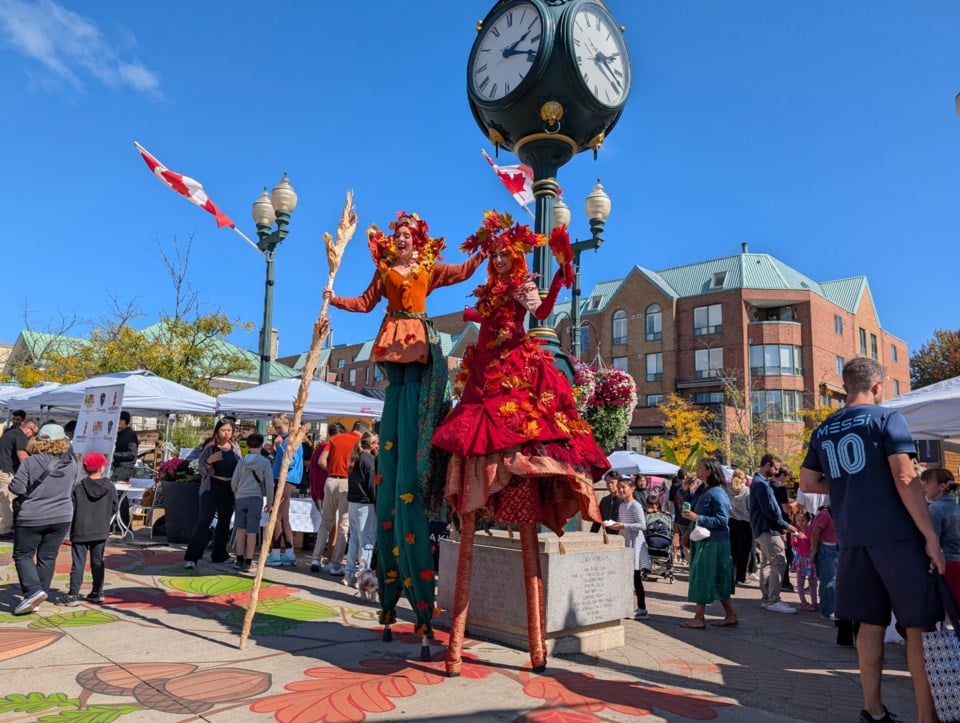
Buying & Selling
An October 2026 Snapshot of Inventory, New Listing Prices, and Buyer Demand Across Old Oakville, Morrison, and Ford
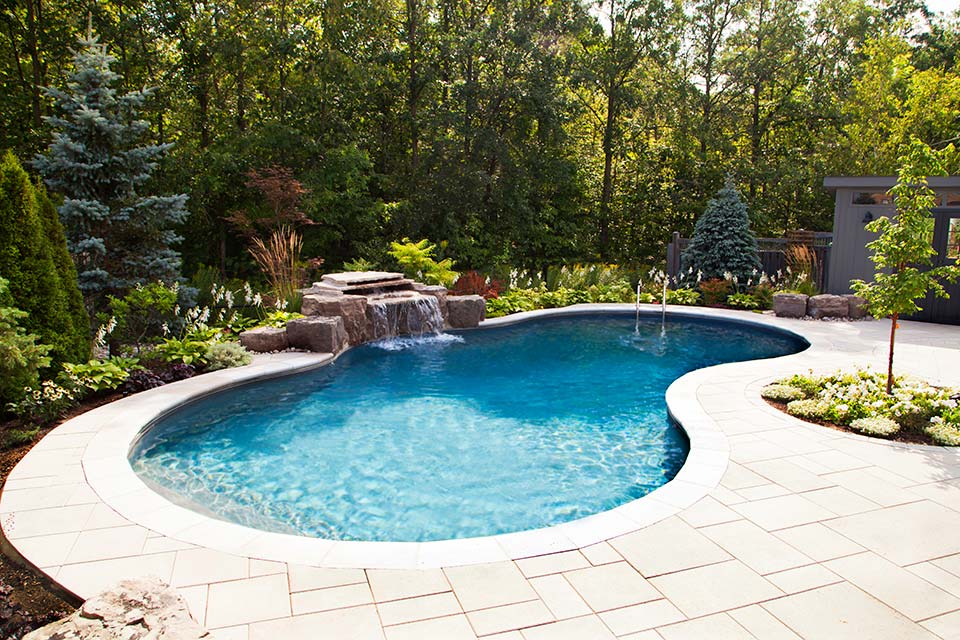
Buying & Selling
A Buyer's Guide to Pool Inspections, Ravine Restrictions, Tree Protection, and Property Due Diligence in Old Oakville, Morrison, and Ford
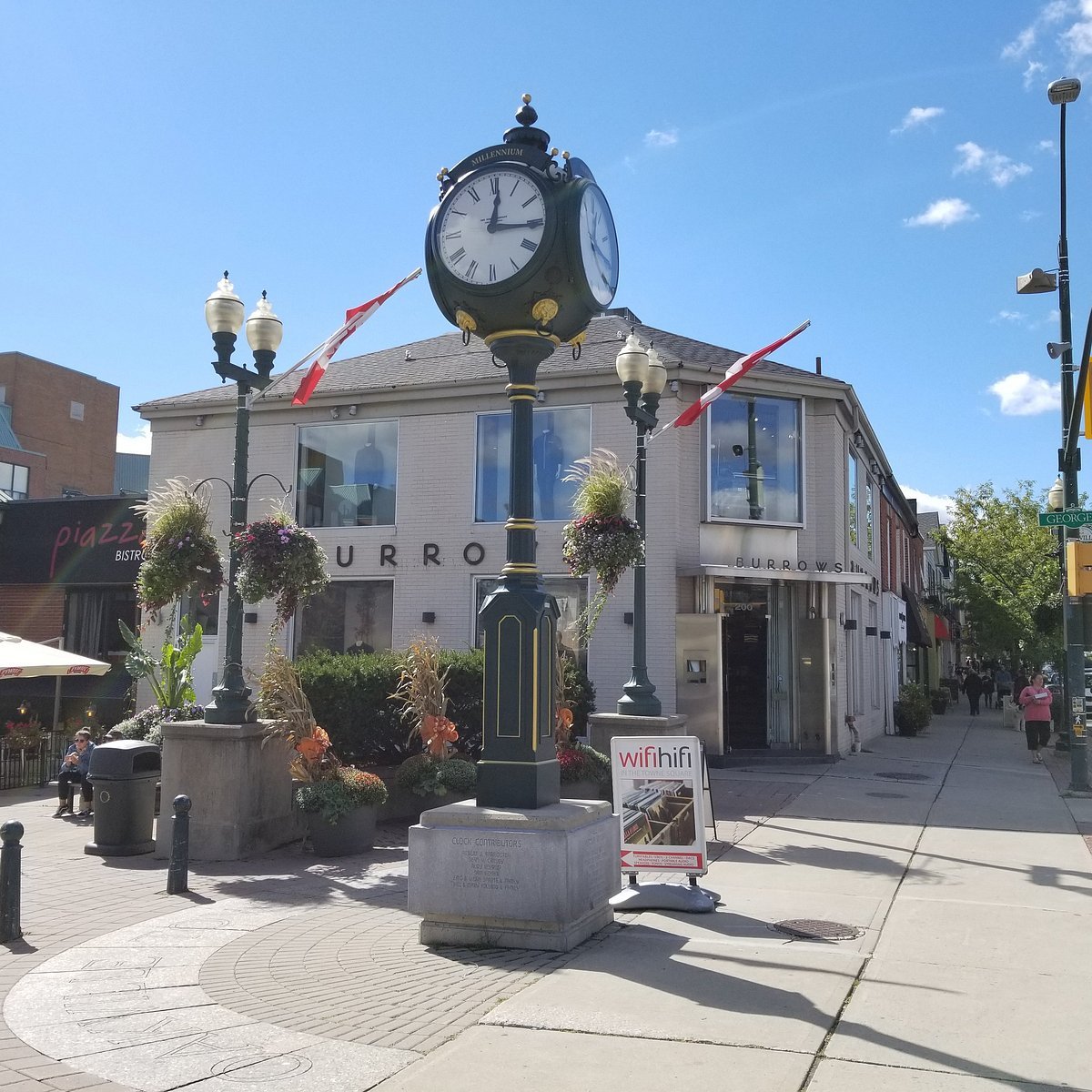
Buying & Selling
A Quarterly Review of Detached Home Sales, Pricing, Negotiation, and Days on Market Across Old Oakville, Morrison, and Ford
Buying & Selling
Understanding Residual Land Value, Rebuild Costs, Zoning Restrictions, and Tear-Down Opportunities Across Old Oakville, Morrison, and Ford

Buying & Selling
What September Sales, Negotiation, Days on Market, and October Inventory Reveal Across Old Oakville, Morrison, and Ford
Southeast Oakville
A Plain-Language Guide to Part IV, Part V, Listed Properties, and the January 2027 Heritage Deadline in Oakville

Buying & Selling
A Guide to Fall 2026 Events, Culture, and Community Life in Downtown Oakville for Residents of Old Oakville, Morrison, and Ford
Buying & Selling
How Photography, Natural Light, Seasonal Colour, and Launch Timing Shape a Southeast Oakville Fall Listing
South East Oakville
What Three Months of Sales, Inventory, Pricing, and Negotiation Reveal Across Old Oakville, Morrison, and Ford
With our extensive network, we can assist regardless of where your property journey takes you. It’s about knowing who you are, what you love, and how to make your property journey one that will leave a lasting memory. It’s as simple as that. Contact us today!