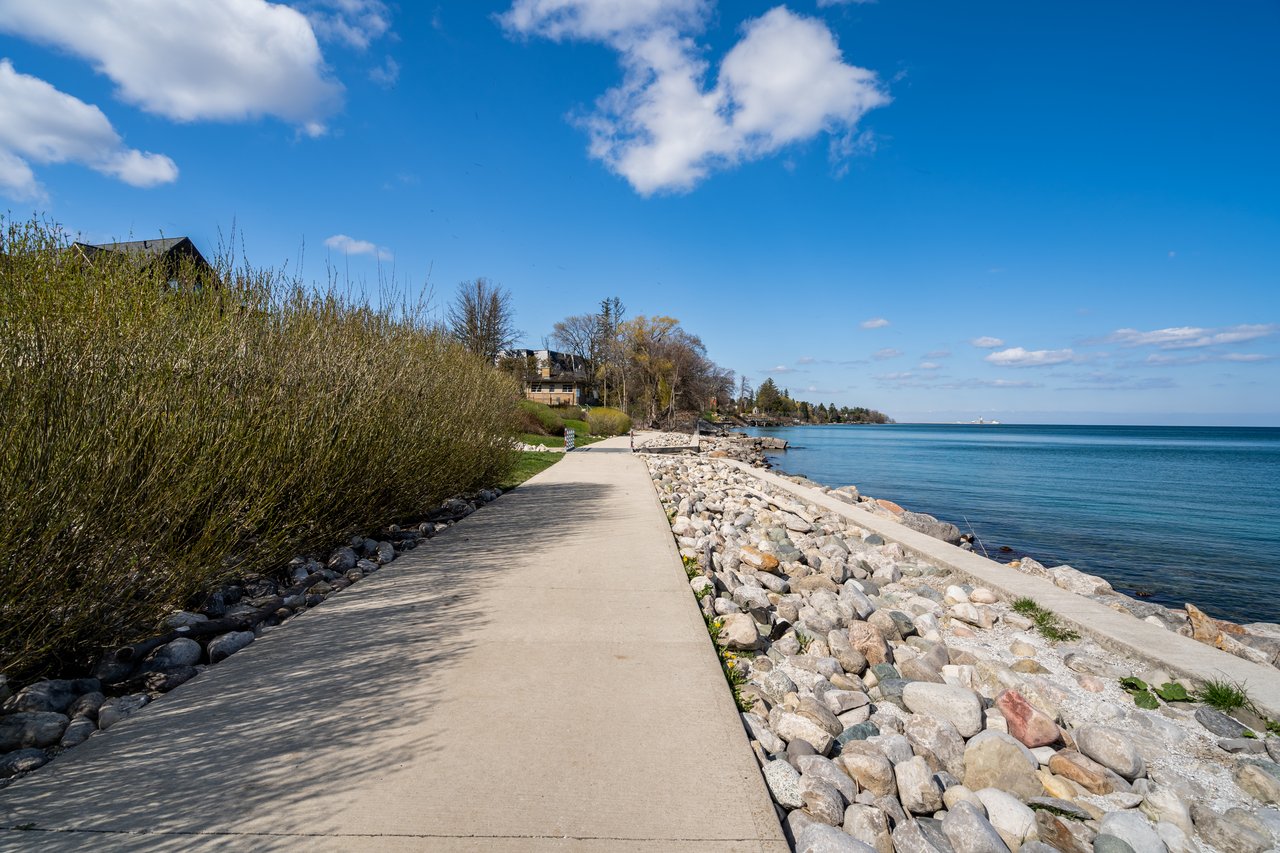
Old Oakville: Why This Address Behaves Unlike Any Other Market in Canada
South East Oakville Petrus Engelbrecht & Joshua Engelbrecht April 20, 2026
South East Oakville Petrus Engelbrecht & Joshua Engelbrecht April 20, 2026
Old Oakville is not a neighbourhood. It is a proposition — one that has been validated over two centuries and that no amount of capital, planning, or development ambition can replicate anywhere else in Canada.
Every luxury market tells a story about scarcity. Old Oakville's story is the most compelling one we know. Heritage architecture built over generations. A walkable town centre that took a hundred years to become what it is. Lake Ontario at the end of the street. And a finite supply of land that was closed off decades ago. What this means in practice is simple: when you buy here, you are not buying a home. You are acquiring a position in a market that cannot grow its supply — only its demand.
Old Oakville is the one part of the Oakville market where scarcity consistently overrides broader market conditions. That is not a marketing claim. It is the defining structural reality of every transaction we have conducted here over decades.
This post is for buyers and sellers who want to understand Old Oakville at the level that actually matters — not as a collection of property types and price tiers, but as a distinct market with its own logic, its own buyer profile, and its own rules.
Old Oakville is the historic core of the city, anchored by the harbour, the Lakeshore Road corridor, and the tree-lined residential streets that radiate from the downtown. It is bounded roughly by Lake Ontario to the south, Dorval Drive to the west, the QEW to the north, and the Sixteen Mile Creek to the east.
Within those boundaries, the variation is significant. Streets south of Lakeshore Road — closest to the water, within walking distance of the harbour — represent some of the rarest real estate in Ontario. The closer a property sits to the lake in Old Oakville, the less it behaves like conventional real estate and the more it behaves like a finite asset. The scarcity argument intensifies the further south you go.
North of Lakeshore, the neighbourhood transitions through a range of custom builds, renovated heritage homes, and newer construction — all within reach of the downtown core, all commanding the Old Oakville address premium, but with a different market dynamic at each price point.
What this means for buyers is that 'Old Oakville' is not a single search filter. It is a spectrum — and where on that spectrum a property sits determines everything about its long-term value trajectory.
Old Oakville is not a uniform market. It never has been. What makes it work — what makes it one of the most resilient luxury addresses in Canada — is that it contains distinct value layers, each with its own buyer logic, its own scarcity dynamic, and its own long-term trajectory. Understanding those layers is what separates a strategic purchase from a well-intentioned one.
The first and most fundamental layer is proximity to the water. The closer a property sits to Lake Ontario, the more its value is governed by scarcity rather than by market sentiment. At the southern edge of the neighbourhood, where the lake is visible and the waterfront parks — Tannery Park and Lakeside Park — anchor daily life, inventory is structurally limited. Properties here come to market rarely. When they do, they attract buyers who understand exactly what they are looking at. This is the part of Old Oakville that behaves least like a conventional real estate market and most like a finite, irreplaceable asset class.
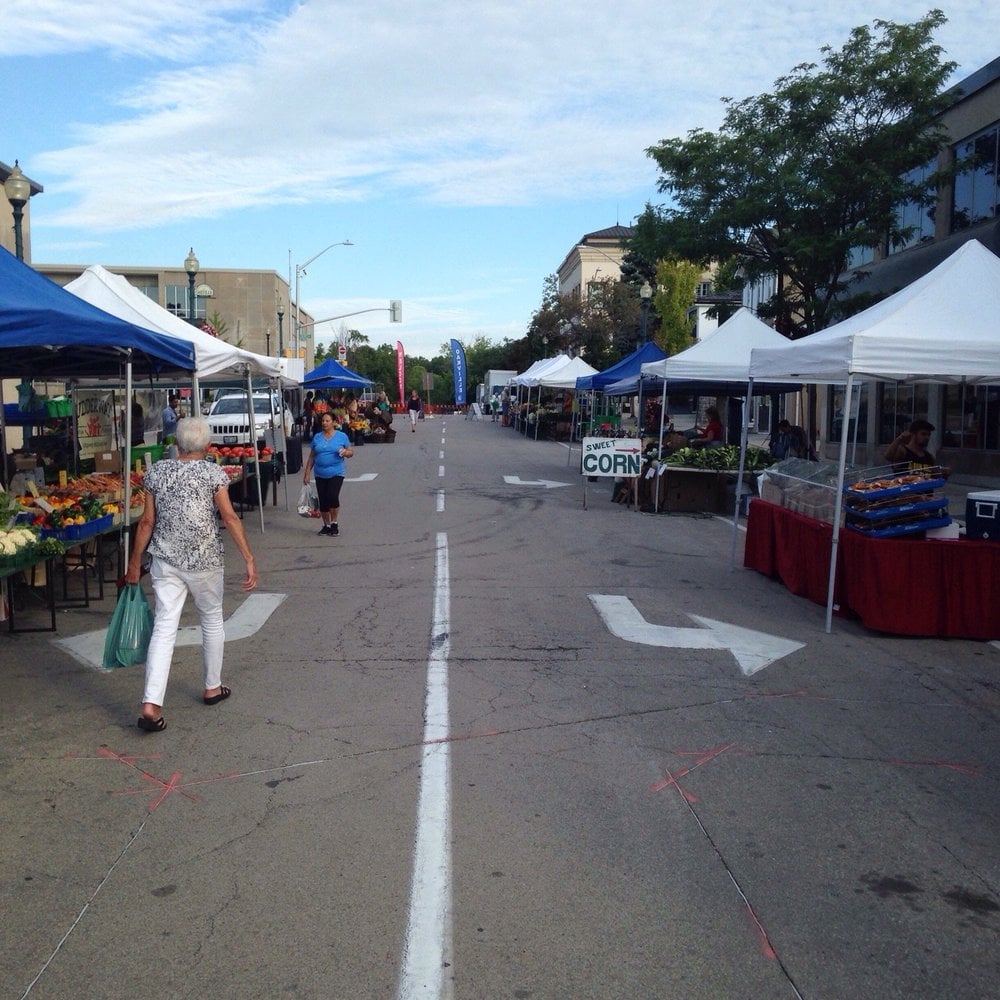
The second layer is the Lakeshore Road corridor itself — the spine of the neighbourhood and the reason Old Oakville’s lifestyle proposition is unlike anything else in the GTA. The boutiques, the galleries, the restaurants, the harbour within walking distance: this is not a curated lifestyle district. It is the organic result of a century of community investment. Properties within genuine walking distance of this corridor carry a premium that is about more than convenience — it is about belonging to a place that has depth, history, and a character that cannot be manufactured.
The third layer is the broader residential fabric — the established streets that make up the body of the neighbourhood, with their mature canopies, their generous lots, their custom and heritage homes, and their proximity to the downtown core without sitting directly on its doorstep. This is where many of Old Oakville’s most significant homes exist, and where buyers who prioritise scale, privacy, and community over direct waterfront adjacency find the address at its most liveable.
What this means in practice is that “Old Oakville” is not a single answer to a property search. It is a set of questions: How close to the water? How close to the downtown? What kind of living experience, day to day? The buyers who understand Old Oakville at this level — who know which layer they are buying into and why — are the ones who make purchases they do not second-guess.
Old Oakville's value rests on three things that money alone cannot manufacture.
Heritage Architecture
The Victorian, Edwardian, and Georgian homes that define the streets closest to the water were built over 150 years. They were not built to a developer's brief. They were built by families, over generations, with the kind of craft and material quality that is now structurally unavailable in new construction. A restored heritage property in Old Oakville is not a stylistic choice — it is a genuinely irreplaceable asset class.
A Genuine Town Centre
Downtown Oakville is not a planned retail district or a lifestyle village. It is the result of a century of organic commercial and cultural investment in a community that has always known what it wanted to be. The independent boutiques, the galleries, the restaurants, the Oakville Club — these exist because the community sustains them, not because a developer curated them. That distinction matters enormously to the buyers who place the highest value on this address.
The Water
Lake Ontario is not a backdrop in Old Oakville. It is the reason the neighbourhood exists. Tannery Park and Lakeside Park anchor the southern edge of the community with green space, waterfront access, and a sense of scale that no inland neighbourhood can produce. The lakefront trail, the harbour, the ability to watch the water from your street — these are not amenities. They are the foundation of the address.
The risk in underestimating these three elements is buying the neighbourhood without understanding what you are actually paying for. Buyers who fully understand Old Oakville do not regret the premium. Those who discover it only after living there tend to wish they had paid it sooner.
Old Oakville attracts a specific kind of buyer — one for whom the feeling of a place matters as much as its specifications. In our experience, the buyers who are most drawn to this address fall into recognisable profiles, and understanding those profiles tells you something important about the long-term demand structure of this market.
The primary buyer pool comes from the Greater Toronto Area — executives, professionals, and families who have reached a stage of life where proximity to the city is less important than the quality of the daily experience. Old Oakville offers everything Toronto cannot: space, quiet, community, walkability of a different kind, and an address that carries genuine cultural weight.
Beyond the GTA, Old Oakville draws buyers from elsewhere in Canada — particularly Calgary, Vancouver, and other major cities — who are relocating for professional reasons and seeking a community that meets a very specific standard. And internationally, the neighbourhood is well known among British, European, American, and Hong Kong buyers who understand Lake Ontario, value the quality of the school system, and recognise the rarity of what Old Oakville offers in a North American context.
What we are seeing in the market right now is a buyer who is more deliberate than at any point in the last decade — more prepared, more discerning, and more focused on long-term value than short-term momentum. In Old Oakville, that buyer is finding opportunities that were structurally unavailable two and three years ago. The window is real.
Old Oakville enters spring 2026 in a position of quiet confidence. The broader adjustment that the luxury market experienced through 2024 and 2025 touched this neighbourhood less than most — not because it is immune to market forces, but because the structural scarcity that underpins its value does not reset with rate cycles.
Correctly priced properties in premium locations — south of Lakeshore, near the harbour, on the established streets of the residential core — are attracting serious, qualified buyers. The days of properties moving in days rather than weeks are behind us for now. What has replaced that environment is a negotiation-first dynamic that rewards sellers who price honestly and buyers who act with clarity and preparation.
For sellers: the buyers in this market are informed, patient, and precise. They have done their homework. Overpricing in a market where buyers have genuine choice does not create negotiating room — it creates days on market, which is the most visible signal of weakness a luxury property can send. Sellers who price with precision and present with care are transacting. The others are waiting.
For buyers: Old Oakville right now offers an entry environment that will not last. As confidence returns to the broader market and pent-up demand begins to move, the window of relative choice and negotiating leverage in this neighbourhood will close. It is not infinite.
Spring 2026 will not reward patience without strategy. Buyers who understand Old Oakville at this level — who know which streets, which side of Lakeshore, which lot orientations — will look back on this window as the moment they moved well. That is the opportunity in this market, and it is available right now.
Why is Old Oakville considered the most valuable neighbourhood in the GTA?
Old Oakville holds the distinction it does because no other neighbourhood in the Greater Toronto Area delivers all of its defining attributes simultaneously: heritage architecture built over two centuries, a genuine walkable town centre, Lake Ontario access, and a community with depth and permanence. Each of these elements took generations to build. None of them can be replicated with capital or planning. That structural irreplaceability is the foundation of long-term value — and it has held through every rate cycle, correction, and market shift in living memory.
What is the difference between buying south of Lakeshore Road versus north in Old Oakville?
Old Oakville’s value operates in layers tied to proximity — to the water, to the Lakeshore Road corridor, and to the downtown core. Properties closest to Lake Ontario sit in the most supply-constrained part of the neighbourhood, where demand is structural and inventory comes to market rarely. Moving through the neighbourhood, the proposition shifts from waterfront scarcity toward scale, canopy, and community — a different but equally compelling argument for many buyers. The long-term value trajectory of these layers is distinct, and buyers making a strategic purchase should understand which layer they are buying into and why.
Is Old Oakville a good investment in the current market?
Old Oakville has demonstrated value resilience through every market cycle in the past several decades because its value is grounded in genuine, structural scarcity. There is no new Old Oakville being built. The land south of the QEW, close to the lake, with the character lots and heritage architecture that define this neighbourhood is finite and has been for decades. Buyers who purchase quality assets on the right streets benefit from that constraint over the long term. The current market, with its elevated inventory and negotiation-first dynamic, offers a more considered entry environment than has been available since before 2020.
What types of homes are available in Old Oakville?
Old Oakville contains a broader range of property types than many buyers expect. At the waterfront and near-lake edge of the neighbourhood, the inventory skews toward heritage Victorian and Edwardian homes, period-renovated properties, and architecturally significant custom builds. Moving through the residential core, the mix opens up to include substantial custom builds on larger lots, thoughtfully renovated post-war homes, and newer infill construction where older homes have been replaced. At the very top of the market, waterfront and near-lake properties represent a category unto themselves — more finite asset than conventional home, and priced accordingly.
How long does it typically take to sell a home in Old Oakville?
In the current market, correctly priced and well-presented properties in Old Oakville are typically selling within a reasonable timeframe when positioned accurately from launch. The critical variable is not the neighbourhood — it is the pricing strategy. Overpriced properties accumulate days on market, and in a luxury segment where informed buyers are watching closely, that accumulation is visible and consequential. The sellers achieving the best outcomes in Old Oakville right now are launching with precision, not with a number they hope to negotiate down from.
What should I know before buying in Old Oakville as someone relocating from outside Ontario?
Three things matter most for buyers arriving from outside the market. First, understand that Old Oakville is a neighbourhood of meaningful micro-differences — the right street, the right side of Lakeshore, the right lot orientation are not marginal considerations. They determine long-term value in ways that aggregate market data cannot capture. Second, the buyer pool here is international and informed — competition for the right property, when it comes to market, can move quickly even in a patient overall environment. Third, work with representation that knows this market at the street level, not just the neighbourhood level. The difference in outcome is significant.
Old Oakville is not a market we cover. It is a market we have spent decades living, working, and transacting in. We know which streets hold value through downturns. We know which lot configurations attract the most competitive interest. We know which buyer profiles are active right now and what they are willing to pay for the right property.
That knowledge — at the street level, not the postcode level — is what we bring to every buyer and seller we work with in this neighbourhood. Combined with the international reach of Sotheby's International Realty across more than 80 countries, it means your property reaches the buyers most likely to recognise its value — wherever in the world they may be.
If you are considering buying or selling in Old Oakville — whether the conversation is immediate or in the coming months — we would welcome a direct discussion about what this market means for your specific situation. This is the window. It will not remain open indefinitely.
Stay up to date on the latest real estate trends.
Buying & Selling
How Photography, Natural Light, Seasonal Colour, and Launch Timing Shape a Southeast Oakville Fall Listing
South East Oakville
What Three Months of Sales, Inventory, Pricing, and Negotiation Reveal Across Old Oakville, Morrison, and Ford
Buying & Selling
A Family Guide to Oakville’s Independent Schools, Their Locations, and What School Proximity Means When Choosing a Home
Buying & Selling
A September Snapshot of Inventory, Price Bands, and Days on Market Across Old Oakville, Morrison, and Ford
South East Oakville
https://chatgpt.com/c/6a96cdbe-dbd8-83ea-9dab-d4eb92a462d3
South East Oakville
What August Sales, Inventory, Asking Prices, and Days on Market Reveal About Southeast Oakville Going Into Autumn
Southeast Oakville
What the September Rate Hold Means for Buyers, Sellers, and Pricing Across Old Oakville, Morrison, and Ford
Buying & Selling
A Guide to Unlocking Equity, Finding the Right Smaller Home, and Staying in the Neighbourhood You Know
Buying & Selling
What Mid-August Inventory, Pricing and Days on Market Reveal About Southeast Oakville’s Fall Market
With our extensive network, we can assist regardless of where your property journey takes you. It’s about knowing who you are, what you love, and how to make your property journey one that will leave a lasting memory. It’s as simple as that. Contact us today!