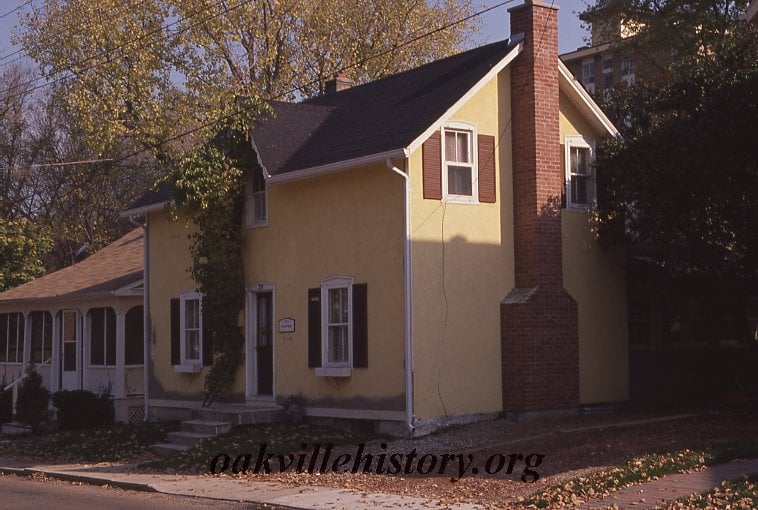
Heritage Designation in Ontario: What Part IV and Part V Actually Mean for Owners, and How It Works in Old Oakville
Southeast Oakville Petrus Engelbrecht & Joshua Engelbrecht October 1, 2026
Southeast Oakville Petrus Engelbrecht & Joshua Engelbrecht October 1, 2026
Designation governs change, not ownership. A plain guide to the Ontario Heritage Act, the January 2027 deadline for listed properties, and what it all means in Old Oakville, Morrison, and Ford
Petrus Engelbrecht & Joshua Engelbrecht | Engelbrecht Associates, Sotheby’s International Realty Canada | Southeast Oakville Specialists
Petrus Engelbrecht and Joshua Engelbrecht of Engelbrecht Associates, Sotheby’s International Realty Canada, specialize in luxury residential real estate across Southeast Oakville, covering Old Oakville, Morrison, and Ford. Heritage designation is the most misunderstood phrase in Oakville real estate. Buyers hear it and picture a house they can’t touch, and sellers hear it and assume it will cost them buyers.
Both are wrong for the same reason. Heritage designation in Ontario governs change, not ownership. It controls what can be altered on the protected features of a property, and it does nothing to stop anyone living in, selling, financing, or modernizing the house.
Heritage designation in Ontario governs change, not ownership. It regulates what may be altered, not who may own, occupy, or sell.
The Ontario Heritage Act lets municipalities protect properties of cultural heritage value or interest, in one of two formal ways. Part IV designates an individual property through its own municipal by-law. Part V designates a whole area as a heritage conservation district, and every property inside the boundary is covered by the district plan.
There’s also a third status that sits below both, which is listing. Separately, some owners have signed heritage easement agreements, which are contracts rather than designations.
A Part IV designation is specific. The by-law contains a statement of the property’s cultural heritage value and a description of its heritage attributes, and it’s those attributes, not the whole building, that the law protects. In most residential by-laws the attributes are exterior: the front elevation, roofline, original windows, porch, or masonry. Interiors are covered only where the by-law says so, and for private homes that’s uncommon.
To designate, a council must find that the property meets at least two of the nine criteria in Ontario Regulation 9/06, which fall under design or physical value, historical or associative value, and contextual value. The owner receives a notice of intention to designate and can object. If council proceeds, the by-law must be passed within 120 days of the notice, it can be appealed to the Ontario Land Tribunal, and once in force it is registered against the property on title.
After designation, an owner needs council’s written consent for any alteration likely to affect the heritage attributes. Council has 90 days from a complete application to consent, consent with terms, or refuse. If it doesn’t decide in that time, consent is deemed to have been given. An owner who disagrees with the decision can appeal to the Ontario Land Tribunal within 30 days.
A Part IV by-law protects the heritage attributes it names. What the by-law does not name, it does not protect.
Part V works at the scale of a streetscape rather than a single house. A heritage conservation district is created through a study, a district plan, and a designating by-law. Since January 2023, at least 25 per cent of the properties in a proposed district must meet two or more of the Regulation 9/06 criteria before the district can be designated.
Inside a district, an individual house doesn’t need to be significant on its own. It’s protected as part of the whole. A heritage permit is generally required for exterior alterations, additions, new construction, and demolition, and the district guidelines set out what the Town will expect on materials, massing, setbacks, and detailing.
This is the part buyers most often miss.
Inside a heritage conservation district, the question is not whether the house is heritage. It is whether the street is.
A listed property is on the municipal register because the municipality believes it may have heritage value, but it hasn’t been designated. Listing carries one real obligation: the owner must give council at least 60 days of written notice before demolishing or removing a building on the property. No heritage permit is needed to alter a listed property.
Listing has also become time-limited. Under the More Homes Built Faster Act, 2022, a property added to a register from 2023 onward must be designated within two years or come off. For properties that were already listed at the end of 2022, the Homeowner Protection Act, 2024 extended the deadline to January 1, 2027. A legacy listed property with no notice of intention to designate by that date must be removed from the register, and it can’t be listed again for five years.
The Town of Oakville has been working through its register ahead of that date. Its Heritage Designation Project set out to designate roughly eighty listed properties. If you own a listed property in Oakville, or are buying one, the next three months matter. Either a notice arrives or the listing lapses.
A listed property is not a designated property. Listing asks for notice before demolition. Designation asks for permission before change.
According to the Town of Oakville, more than 170 individual properties are designated under Part IV, and more than 700 are protected through heritage conservation districts. There are four districts, and all of them sit in and around the historic core:
Old Oakville is where the law bites. A meaningful share of its streets fall inside one of the four districts, and a number of homes outside them carry individual Part IV designations or sit on the register as listed. For a buyer here, heritage status is a due diligence item as basic as zoning. For a seller, it’s an argument: a district protects every owner against out-of-scale change next door. We traced where that protection comes from in our history of Old Oakville, and why the address behaves as it does in Why This Address Behaves Unlike Any Other Market in Canada.
Morrison sits outside all four districts. Heritage there is individual rather than area-wide, so it arises property by property. The register still has to be checked, because a single designation or listing can change the plan for a lot entirely. In Southeast Oakville the lot is often where the value sits, as we explained in Lot Size, Frontage, and Land Value in Southeast Oakville.
Ford, built out largely between the 1960s and the 1980s, has a younger housing stock and also sits outside the districts, so heritage status rarely shapes a purchase there. Buyers planning new construction will find the wider approvals picture in Building New in Morrison and Ford, and all three neighbourhoods compared in Old Oakville vs. Morrison vs. Ford.
Heritage status belongs in due diligence alongside zoning and the survey. It takes minutes to check and it can change the entire plan for a lot.
It cuts both ways. The constraint is real. A buyer planning to demolish and rebuild shouldn’t buy a designated house, or a house inside a district, on the assumption that approval will follow.
The protection is real too. A district fixes the character of the street, which is precisely what many Old Oakville buyers are paying for. The Town also runs a Heritage Grant Program for Part IV and Part V properties that can cover up to half the cost of eligible conservation work, to a set maximum per property each year.
In our experience, what moves value in Oakville real estate is certainty. A home with a clear by-law and a documented permit history is an easier purchase than one where nobody is sure what applies.
Buyers do not discount heritage. They discount uncertainty about heritage.
Sellers should assemble this before listing, not in response to a buyer’s questions. It’s the same logic we applied to inspections in Pre-Listing Home Inspection in Southeast Oakville: answer the question before it becomes a negotiating point. In Oakville real estate, the heritage file is one of the few things a seller controls completely.
Yes. Designation places no restriction on who may own, buy, sell, or mortgage a property. It governs alterations to the protected heritage attributes, and the designation by-law is registered on title so it continues to apply to each new owner.
Generally yes. Most residential designation by-laws protect exterior attributes, and interiors are covered only where a Part IV by-law names specific interior features. Confirm the requirements for the specific property with the Town of Oakville before starting.
Part IV designates an individual property through its own by-law, which describes the heritage attributes being protected. Part V designates a whole area as a heritage conservation district, and every property inside the boundary is subject to the district plan and its permit requirements.
Properties that were on a municipal heritage register at the end of 2022 and have not received a notice of intention to designate by January 1, 2027 must be removed from the register. A property removed this way cannot be listed again for five years.
No. A listed property does not need a heritage permit for alterations. The owner must give council at least 60 days of written notice before demolishing or removing a building, which gives council time to decide whether to designate the property.
Under the Ontario Heritage Act, council has 90 days from a complete application to decide on an alteration to a designated property, and consent is deemed given if no decision is made in that time. The Town of Oakville reviews applications on a published monthly cycle.
Petrus Engelbrecht
Joshua Engelbrecht
Engelbrecht Associates
Sotheby’s International Realty Canada
Oakville, Ontario
Southeast Oakville Specialists
Sources: Ontario Heritage Act and Ontario Regulation 9/06; More Homes Built Faster Act, 2022; Homeowner Protection Act, 2024; Environmental Registry of Ontario notice 019-8738; Government of Ontario guidance on designating heritage properties; Town of Oakville heritage planning, heritage permit, Heritage Designation Project, and Heritage Grant Program pages. Provincial position confirmed 28 September 2026.
This post is general information about heritage legislation and general market commentary. It is not legal advice and not advice on any particular property or transaction. Heritage legislation and municipal requirements change; confirm the current status and requirements for any specific property with the Town of Oakville, and consult a qualified real estate lawyer before relying on it. No individual property, transaction, or party is identified.
Stay up to date on the latest real estate trends.
Buying & Selling
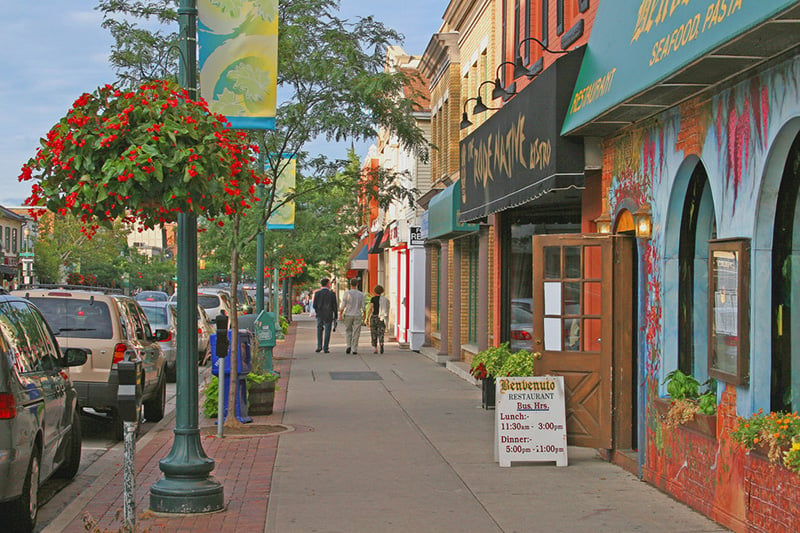
Understanding MPAC Assessments, 2026 Property Tax Rates, and How Renovations and Rebuilds Affect Homeowners in Old Oakville, Morrison, and Ford
Buying & Selling
An October 2026 Snapshot of Inventory, New Listing Prices, and Buyer Demand Across Old Oakville, Morrison, and Ford

Buying & Selling
A Buyer's Guide to Pool Inspections, Ravine Restrictions, Tree Protection, and Property Due Diligence in Old Oakville, Morrison, and Ford
Buying & Selling
A Quarterly Review of Detached Home Sales, Pricing, Negotiation, and Days on Market Across Old Oakville, Morrison, and Ford
Buying & Selling
Understanding Residual Land Value, Rebuild Costs, Zoning Restrictions, and Tear-Down Opportunities Across Old Oakville, Morrison, and Ford

Buying & Selling
What September Sales, Negotiation, Days on Market, and October Inventory Reveal Across Old Oakville, Morrison, and Ford
Southeast Oakville
A Plain-Language Guide to Part IV, Part V, Listed Properties, and the January 2027 Heritage Deadline in Oakville
Buying & Selling
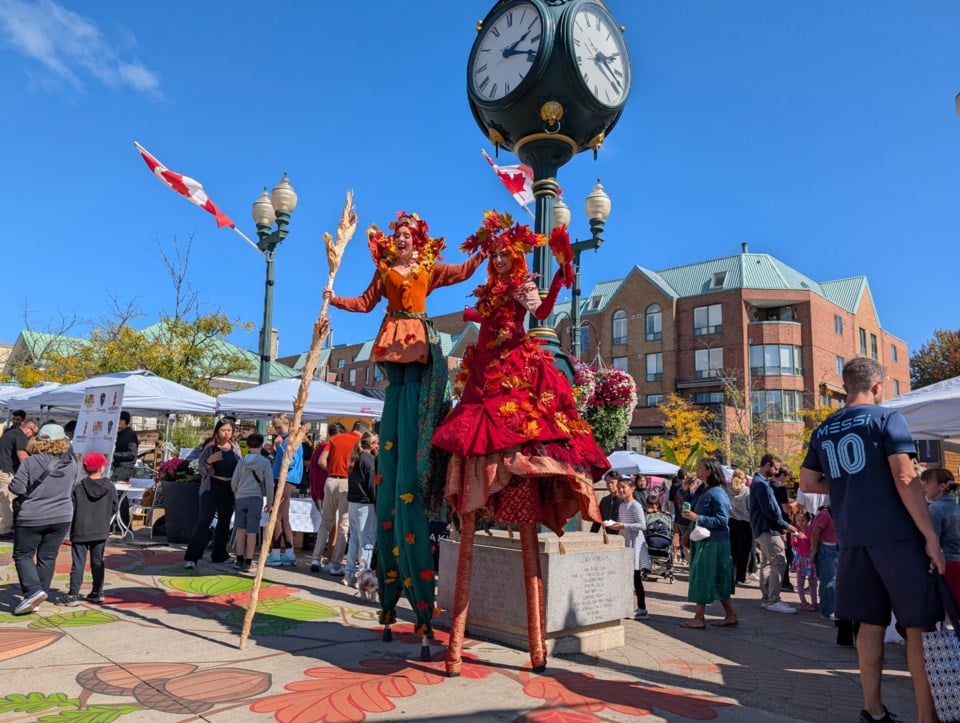
A Guide to Fall 2026 Events, Culture, and Community Life in Downtown Oakville for Residents of Old Oakville, Morrison, and Ford
Buying & Selling
How Photography, Natural Light, Seasonal Colour, and Launch Timing Shape a Southeast Oakville Fall Listing
With our extensive network, we can assist regardless of where your property journey takes you. It’s about knowing who you are, what you love, and how to make your property journey one that will leave a lasting memory. It’s as simple as that. Contact us today!